Services
The anesthesia we deliver.
Three core techniques, each delivered by physician anesthesiologists and tuned for outpatient surgery — chosen and combined to fit the case, the setting, and the patient.

General Anesthesia
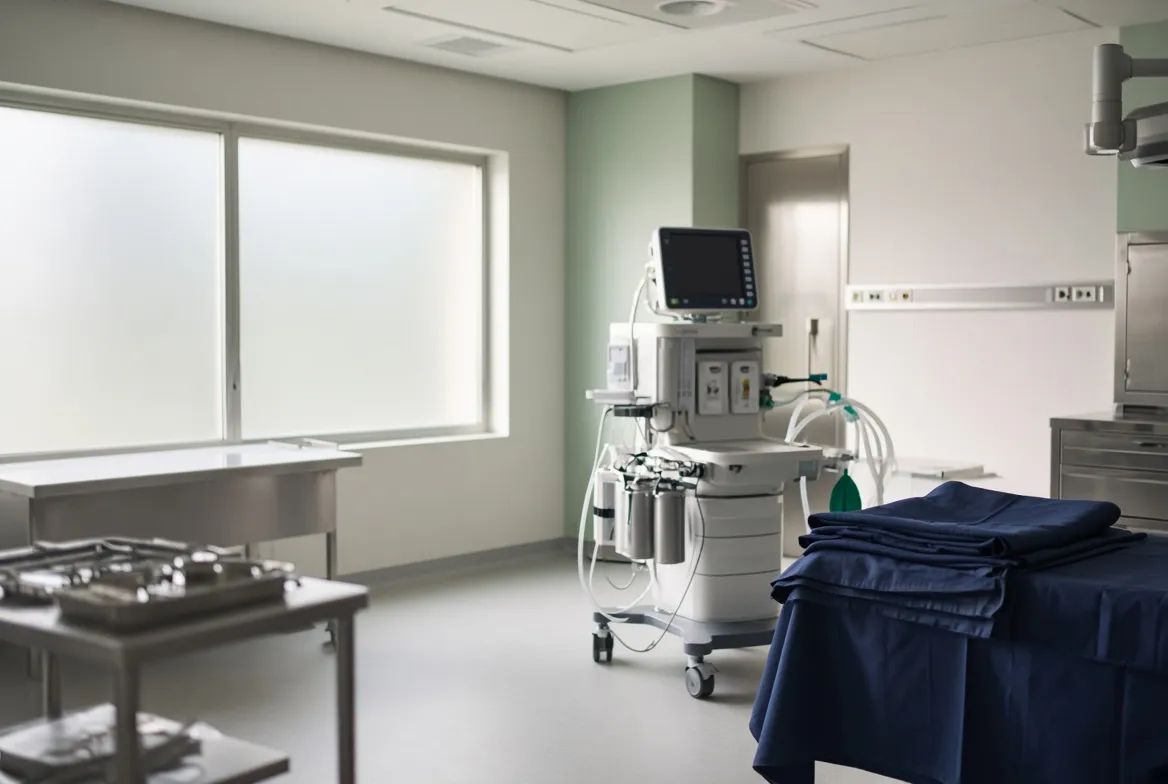
General anesthesia renders a patient fully unconscious and unaware while a physician anesthesiologist manages the airway and vital functions throughout. Pontine uses modern, short-acting agents tuned for outpatient surgery — deep enough for the procedure, light enough to wake quickly and go home the same day.
We tailor the technique to the case and the patient: total intravenous anesthesia (TIVA) where a smooth, nausea-free emergence matters most, balanced inhalational anesthesia where it fits, and airway management — LMA or endotracheal tube — matched to the surgery and the patient’s risk profile.
Throughout, we minimize opioids and front-load anti-nausea prophylaxis, so emergence is calm and recovery is fast. In an outpatient setting the goal never changes: a patient who is comfortable, oriented, and discharge-ready — not one lingering in PACU.
Our signature
Nerve Blocks
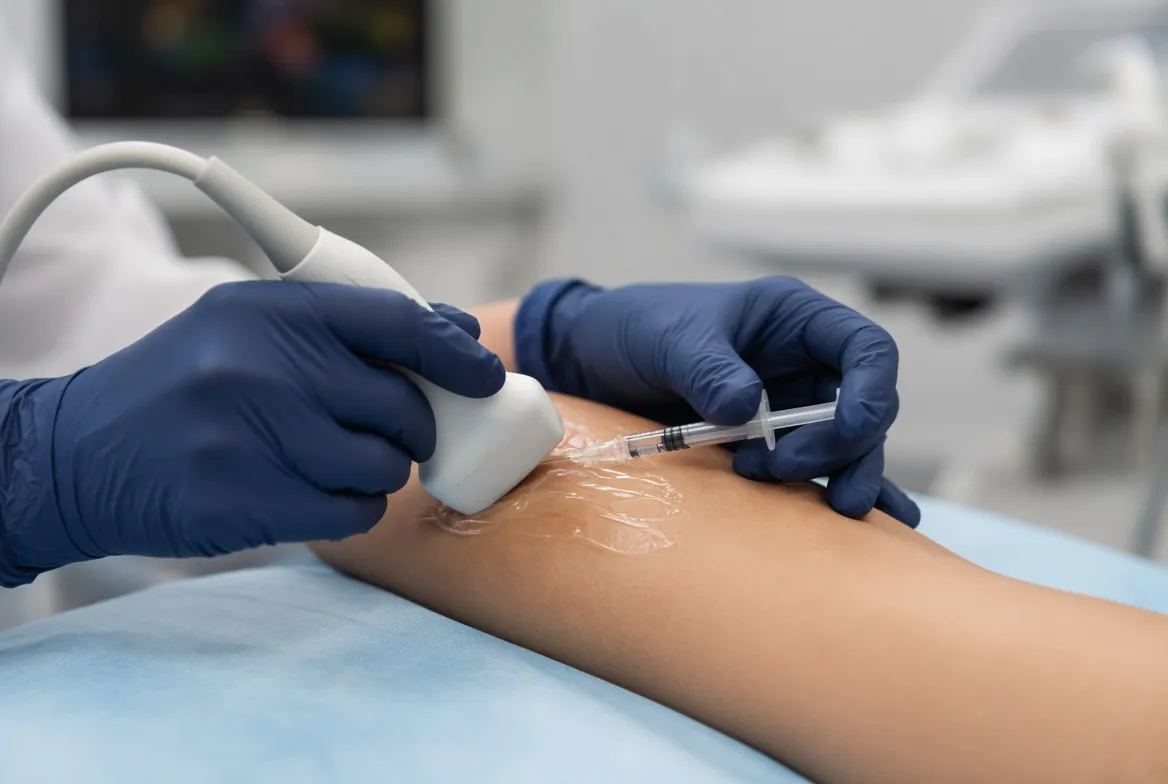
Ultrasound-guided regional anesthesia is Pontine’s signature. Using real-time ultrasound, we deposit local anesthetic precisely around the target nerves — numbing the surgical area for hours, often with little or no general anesthesia needed at all.
Every Pontine physician performs ultrasound-guided blocks at a volume most groups reserve for a single specialist: interscalene, supraclavicular, adductor canal, popliteal, PENG, TAP, and paravertebral among them — each matched to the procedure and the patient.
Done well, a block changes the entire recovery. Patients wake comfortable, need far fewer opioids, and clear PACU faster. In the words of a nursing director we work with, block patients “are reliably comfortable and usually require no additional narcotics in the recovery room” — which means quicker discharge, fewer callbacks, and better reviews for your center.
Blocks we place
- Interscalene
- Supraclavicular
- Adductor canal
- Popliteal
- PENG
- TAP
- Paravertebral
MAC Sedation
Monitored Anesthesia Care (MAC) is physician-administered IV sedation — most often propofol — titrated moment to moment while the patient breathes on their own and an anesthesiologist continuously monitors airway, breathing, and circulation. It is the workhorse of high-throughput outpatient settings.
The art of MAC is titration: deep enough that the patient is comfortable and still, light enough that they breathe spontaneously and wake within minutes. We deliver it for endoscopy, interventional and pain procedures, fertility retrievals, dental and oral surgery, and minor surgical cases.
Because it is physician-delivered and precisely dosed, MAC keeps procedure rooms moving — predictable timing, fast clear-headed wake-ups, and the safety margin of an anesthesiologist watching the patient, not the clock.
Not sure what your cases need?
Tell us your case mix and we’ll map the right anesthetic to each one.