Office-Based Anesthesia
Hospital-grade safety in the office setting.
In an office OR, the anesthesiologist is the safety system. We bring hospital-grade monitoring, emergency readiness, and accreditation-aware protocols to office-based surgery — so patients get smooth, nausea-free recoveries in a setting built around them.
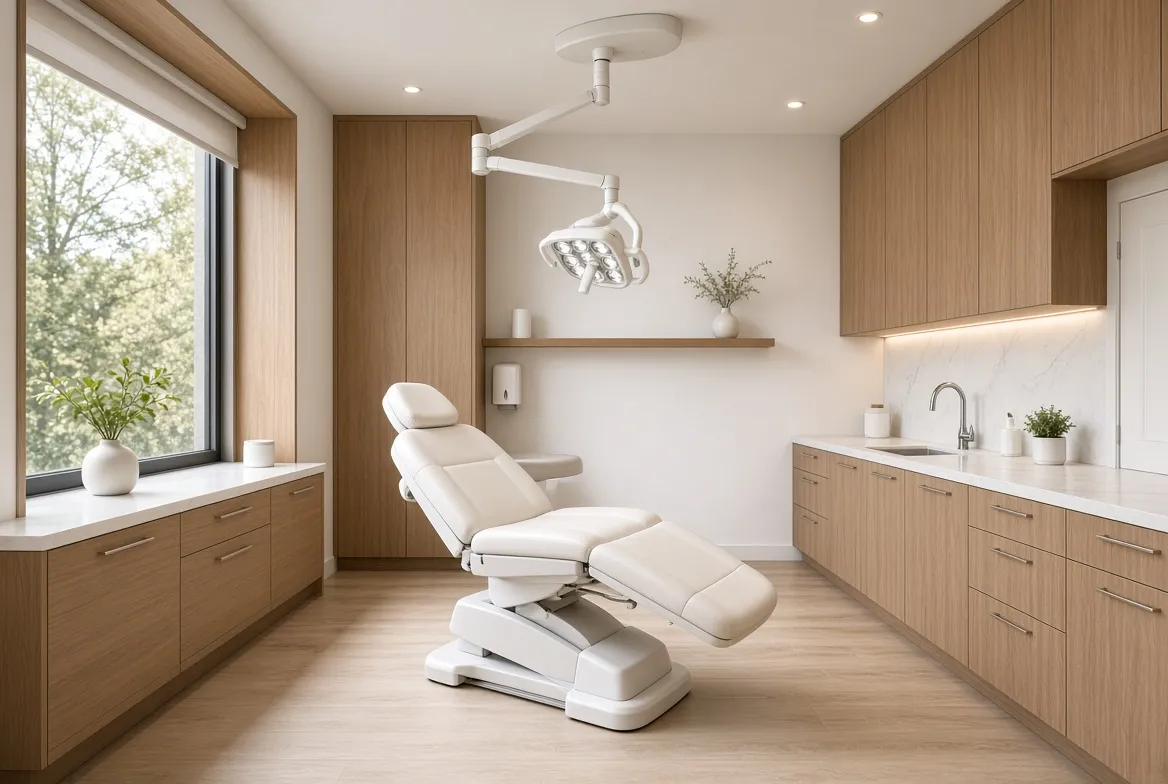
Safety
In an office OR, we are the safety system.
A plastic or cosmetic surgery office has no hospital behind it, so the standard has to arrive with the anesthesiologist. We bring hospital-grade monitoring, emergency readiness, and accreditation-aware protocols to every case.
- Hospital-grade monitoring on every case
- Emergency readiness built into the setup, never improvised
- Protocols written with your accreditation in mind
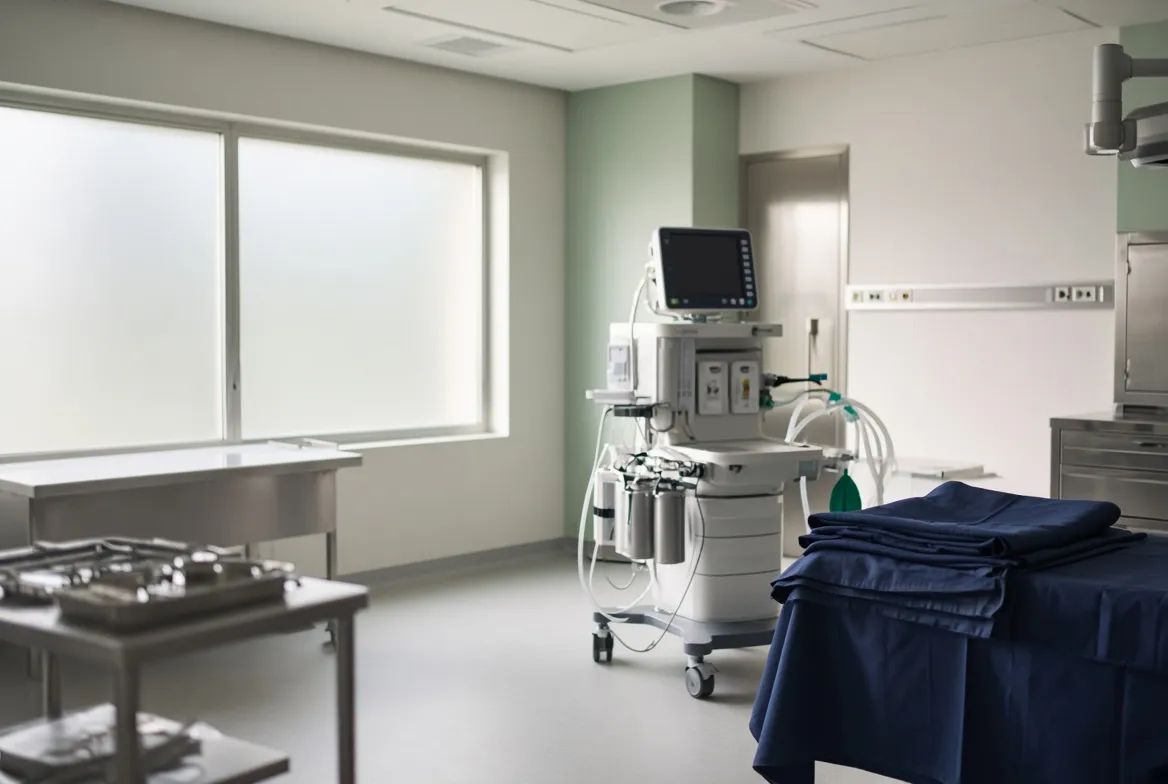
The anesthesia
What we deliver in this setting.
Matched to the surgery and the patient — from IV sedation for shorter procedures to general anesthesia tuned for a smooth, nausea-free wake-up.
The experience
Recoveries that match the practice.
Your patients judge the whole experience, and the wake-up is a large part of it. We use total intravenous anesthesia where a smooth, nausea-free emergence matters most, minimize opioids, and give anti-nausea medication up front.
- Smooth, nausea-free recoveries
- Clear-headed patients, ready to go home the same day
- A consistent anesthesiologist your surgeons and staff know

How engagement works
From first call to first case.
Most centers are surprised how little work it takes on their side.
- 01
Discovery call
A 30-minute conversation about your facility, case mix, and goals.
- 02
Site visit & proposal
We walk your facility, meet your team, and propose a coverage model.
- 03
Credentialing
Typically 30–90 days; we run it in parallel with planning so nothing waits.
- 04
First case
A consistent team that knows your setting — from day one.
What partners say
Surgeons request us. Nurses thank us.
-
“I have yet to work with an anesthesiologist that has provided more benefit to the surgical workflow, and thus directly translated to more surgical productivity.”
Robert Peterson, MD · Northbay Healthcare, Dept. of Orthopedics -
“Their skill with ultrasound nerve blocks is also noteworthy. Patients who receive nerve blocks are reliably comfortable and usually require no additional narcotics in the recovery room, making their recovery quick and the PACU nurse's job much easier.”
Alexis Nunez, RN · Director of Nursing, San Francisco Surgery Center -
“We have consistently excellent reviews from our patients and our surgeons repeatedly request PAC to care for their patients.”
Alexis Nunez, RN · Director of Nursing, San Francisco Surgery Center
For administrators
Questions centers ask us.
How quickly can Pontine start covering our center?
Credentialing is usually the longest step — typically 30 to 90 days depending on your facility and payors. We run credentialing in parallel with scheduling and workflow planning so coverage can begin as soon as privileges are granted.
Do your physicians carry their own malpractice coverage?
Yes. Every Pontine physician carries individual malpractice coverage at standard policy limits, and we provide certificates of insurance during credentialing.
How does staffing work — will we see the same anesthesiologists?
We staff a small, consistent team per facility rather than rotating strangers through your ORs. Your surgeons and staff work with anesthesiologists who know your center, your cases, and your pace.
What does a transition from our current group look like?
We plan transitions to be invisible to your schedule: credentialing first, then a shadow period alongside your current coverage if desired, then cutover — no cancelled cases, no coverage gaps.
Who we serve
Other settings we cover.
-
Ambulatory Surgery Centers
On-time starts, fast turnovers, same-day discharge.
How we cover it -
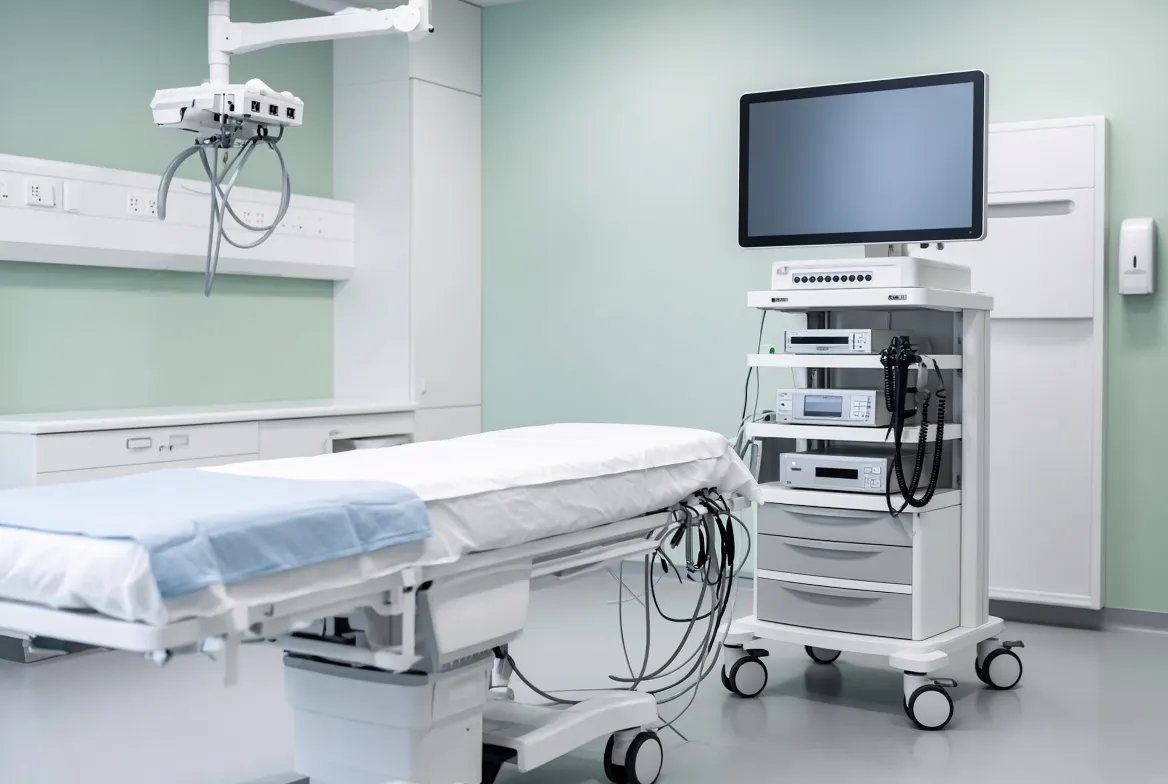
Endoscopy Suites
High-throughput propofol sedation, clear-headed wake-ups.
How we cover it -
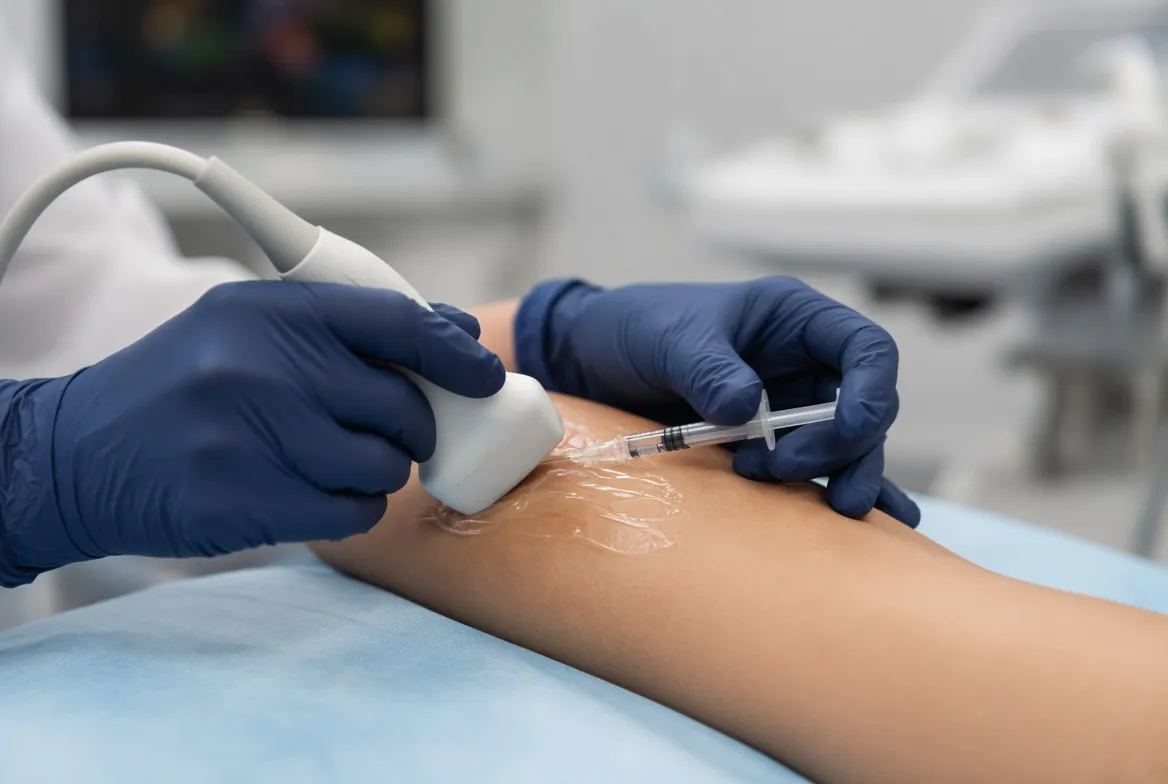
Procedure Rooms
Flexible sedation for fast, varied non-OR caseloads.
How we cover it -
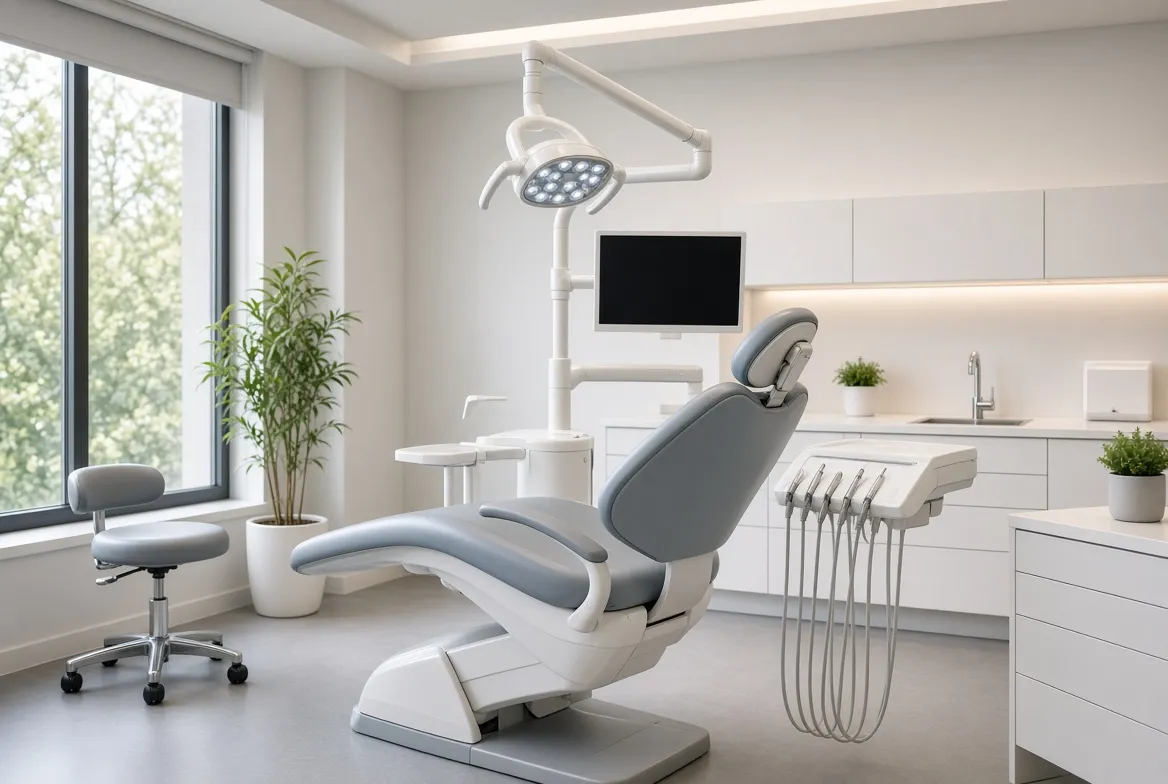
Dental Clinics
Calm, precisely dosed sedation for dental & oral surgery.
How we cover it -
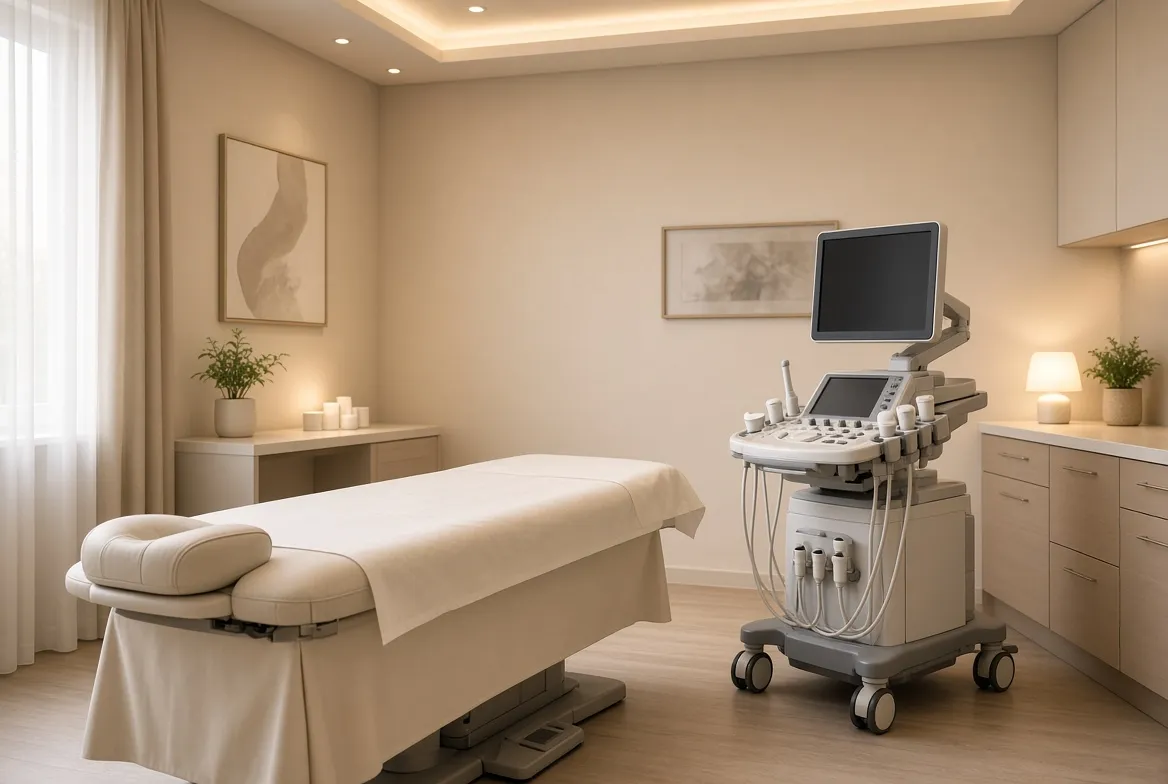
Fertility Clinics
Brief, gentle sedation for retrievals and clinic procedures.
How we cover it
Let's talk about your center.
A 30-minute discovery call is usually enough to know if we're a fit.